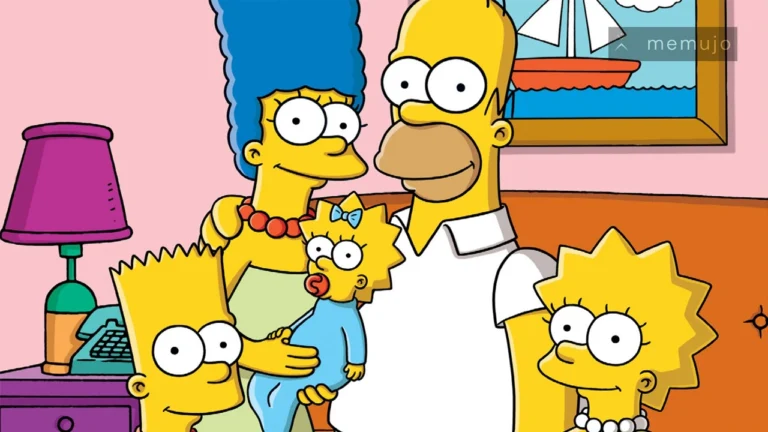
There was a time — not so long ago — when television was considered the lesser art form. Movies were culture. Books were intellect. Theatre was prestige. Television was what you watched when you had nothing better to do: a passive, disposable medium for sitcom laugh tracks and game show applause. That time is over. Somewhere between the late 1990s and today, something extraordinary happened. Television didn’t just improve — it transformed into the most ambitious, emotionally complex, and culturally influential storytelling format the world has ever produced. This is the story of how that happened, and why the greatest TV series ever made deserve to be spoken about in the same breath as the finest literature and cinema in history.
The Moment Everything Changed
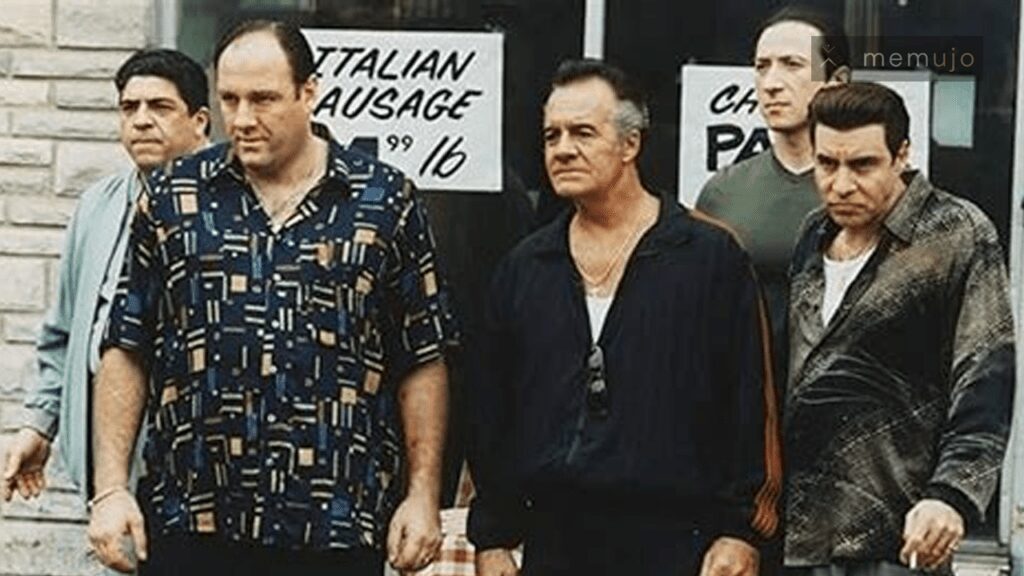
Most critics and historians point to a single year as the turning point: 1999. That was the year The Sopranos premiered on HBO, and the television landscape fractured permanently into a “before” and “after.” Creator David Chase did something that network executives had long considered impossible: he made a television drama with the moral ambiguity, cinematic scope, and psychological depth of a great novel. Tony Soprano was not a hero with flaws. He was a deeply damaged, genuinely dangerous man — and yet audiences couldn’t look away. They rooted for him, feared him, and mourned him all at once.
What The Sopranos proved was that the long-form serial format — with its dozens of hours of storytelling space — could do things that a two-hour film simply cannot. It could build a character over years. It could let consequences breathe and ripple outward. It could make an audience fall in love with a world so slowly and completely that saying goodbye to it felt like a genuine loss. The HBO model — premium cable, no advertisers, no network interference — gave showrunners something they had never had before: creative freedom. And they used it to change everything.
What Makes a TV Series Truly Great
Before exploring the shows that defined this era, it is worth asking: what separates a great TV series from a merely good one? The answer, most writers and critics agree, comes down to three things: world-building, character depth, and thematic ambition.
World-building is the art of creating a place so complete and internally consistent that audiences believe in it absolutely. The best TV series don’t just set their stories somewhere — they construct entire ecosystems of culture, language, and rules. The Baltimore of The Wire is as fully realized as any city in literature. The Westeros of Game of Thrones (at its peak) felt like a place with thousands of years of history humming beneath every scene. Albuquerque in Breaking Bad became as iconic as any fictional city ever put on screen. The world has to feel real enough that leaving it hurts.
Character depth is what transforms a plot into an experience. The greatest TV protagonists are not defined by what they do, but by why they do it — and by the gap between who they believe themselves to be and who they actually are. Walter White of Breaking Bad is the defining example: a man whose transformation from mild-mannered chemistry teacher to ruthless drug lord works precisely because we understand every single step of his moral collapse. We don’t just watch him change. We understand him. And that understanding is what makes the betrayal so devastating.
Thematic ambition is perhaps the rarest ingredient. The truly great series are not just entertaining — they are saying something. The Wire is a systematic autopsy of institutional failure in American society. Mad Men is a meditation on identity, nostalgia, and the cost of reinventing yourself. Black Mirror is a warning about humanity’s relationship with technology. The best television asks questions that don’t have easy answers and trusts its audience to sit with the discomfort.
The Wire: Television as Literature
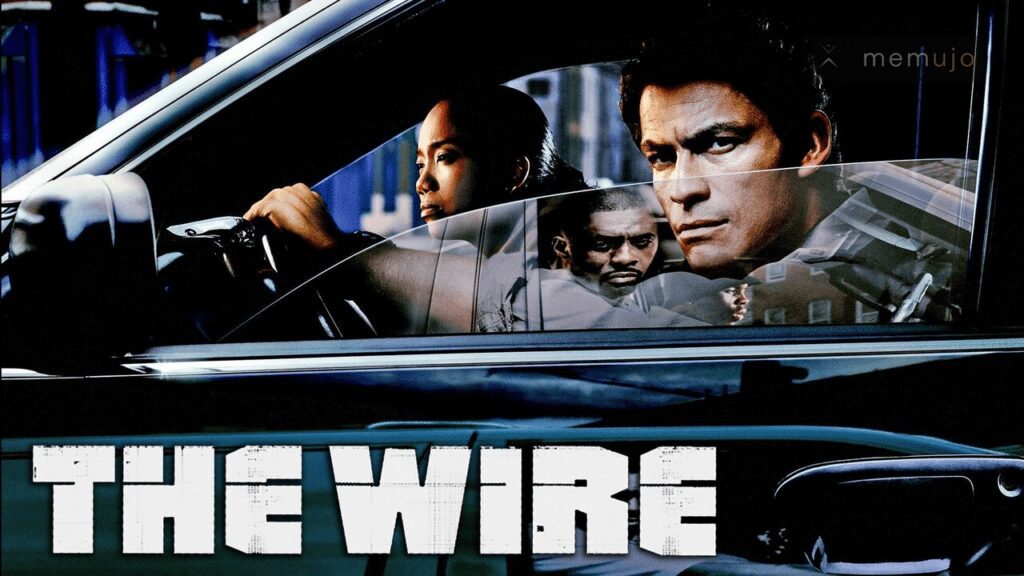
If The Sopranos opened the door, The Wire walked through it and built a cathedral. Created by former Baltimore crime reporter David Simon, the show ran for five seasons between 2002 and 2008, and it remains the most ambitious work of social realism ever produced for television. Each season trained its lens on a different institution in Baltimore: the drug trade, the dockworkers’ union, city politics, the school system, and finally the press. Together, they formed a devastating portrait of a city — and by extension, a country — in which every system designed to help people had been corrupted beyond repair.
What made The Wire revolutionary was its refusal to offer heroes or villains in the traditional sense. The drug dealers were shown with humanity and complexity. The police were shown as flawed, politically compromised, and often counterproductive. The politicians were neither purely corrupt nor purely idealistic. The show asked a radical question for television: what if the problem isn’t the people, but the systems they are trapped in? It never answered that question neatly, because the real world doesn’t offer neat answers. And that honesty is what makes it immortal.
Breaking Bad and the Art of Transformation
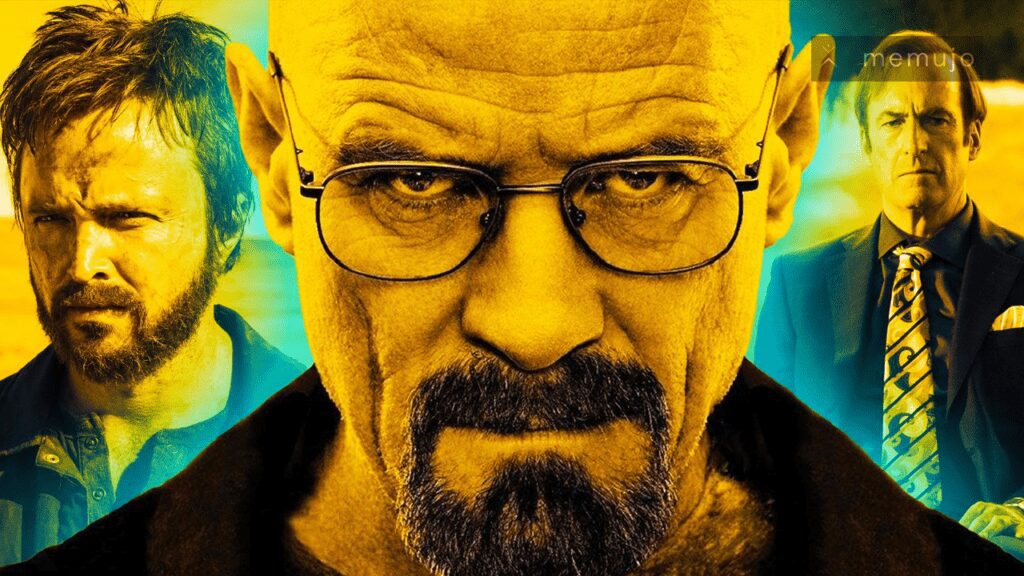
Vince Gilligan pitched Breaking Bad to AMC with a simple, audacious premise: take Mr. Chips and turn him into Scarface. What followed, across five seasons from 2008 to 2013, was one of the most meticulously constructed character studies in the history of storytelling. Walter White’s journey from diagnosis to empire is mapped with such precise, logical steps that the audience becomes complicit in his transformation — cheering for a man they should be horrified by, because they have been made to understand him too well.
The show also demonstrated something important about the modern TV era: visual storytelling could be as expressive in television as in cinema. Gilligan and his directors used the New Mexico desert as a character — its vast, indifferent beauty becoming a visual metaphor for the moral emptiness at the heart of the story. The show’s cinematography, color palette, and symbolic imagery were analyzed frame by frame by audiences around the world, elevating TV discourse in ways that were previously reserved for arthouse film.
Its spinoff, Better Call Saul, went on to prove that the universe Gilligan created was rich enough to sustain an entirely separate masterwork — a slower, sadder, and arguably even more technically accomplished story about a man who knows exactly where his choices will lead him, and makes them anyway.
The Streaming Revolution and What It Unleashed
The arrival of Netflix as a content producer in 2013 — with the simultaneous release of all thirteen episodes of House of Cards — didn’t just change how people watched television. It changed what television could be. The binge-watch model removed the week-long gap between episodes, which altered the rhythm of storytelling. Showrunners no longer needed to engineer cliffhangers to bring audiences back seven days later. They could build slow-burn narratives, rely on cumulative emotional weight, and structure their seasons more like novels than episodic television.
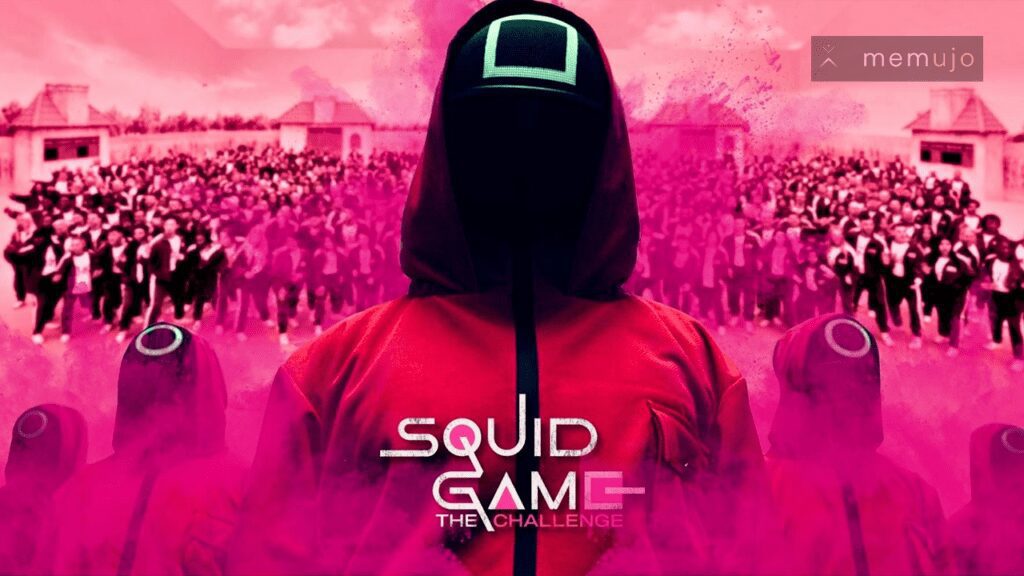
The explosion of streaming also democratized prestige television globally. Suddenly, South Korean thrillers like Squid Game could become the most-watched series in Netflix history. Spanish heist dramas like Money Heist could develop passionate audiences across six continents. Israeli psychological thrillers could be remade for American audiences. The definition of “great television” was no longer limited by geography or language — it was limited only by the quality of the story being told.
This global expansion has been one of the most exciting developments in the medium’s history. It has introduced audiences to storytelling traditions, cultural perspectives, and narrative styles they would never have encountered otherwise — and it has proven, conclusively, that great storytelling transcends every cultural and linguistic barrier imaginable.
Why TV Series Outlast Everything Else
There is a reason why, when people talk about the stories that have most affected them emotionally, they increasingly reach for TV series rather than films. It comes down to time. A film gives you two hours with a character. A TV series gives you sixty, eighty, a hundred hours. You don’t just watch a great TV character — you live alongside them. You see them in their worst moments and their best. You watch them make choices you would never make, and you understand exactly why they made them. By the end of a great series, these fictional people feel like people you have actually known.
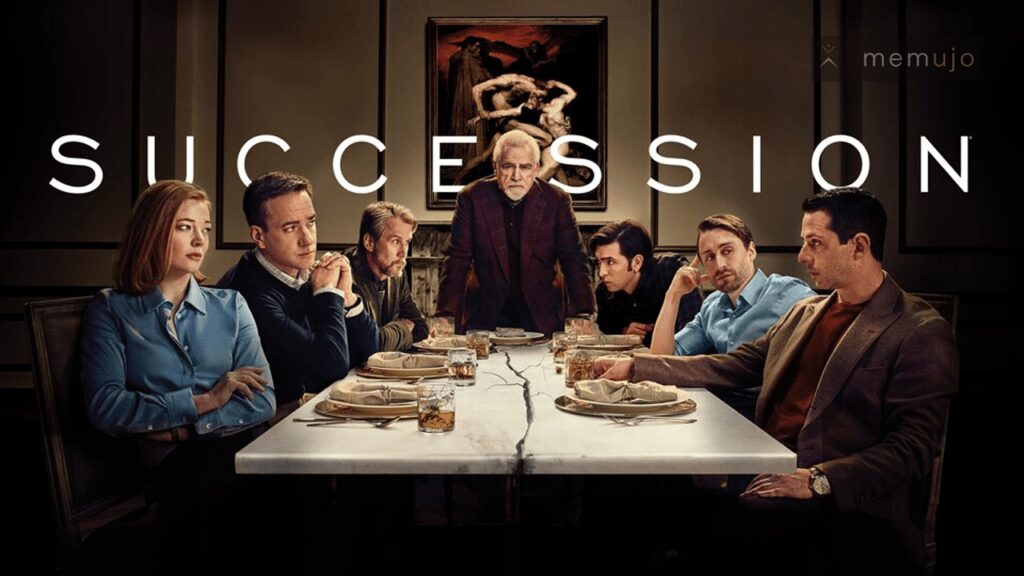
This is why the endings of great TV series have become cultural events in a way that movie endings never have. The finale of Breaking Bad was watched by over ten million people. The last episode of Game of Thrones — for better or worse — generated more cultural conversation than almost any piece of entertainment in the past decade. When Succession ended in 2023, critics and audiences spent weeks processing what they had witnessed. These are not the reactions of people who watched a piece of entertainment. These are the reactions of people who said goodbye to a world they had lived in.
The Shows That Define Our Era
Every era of television produces a handful of series that come to define it — not just as entertainment, but as cultural documents. Mad Men captured the anxiety of identity and ambition in mid-century America and held it up to the light of the 21st century. Game of Thrones, at its peak, revived the epic fantasy genre and proved it could sustain genuine moral complexity and narrative consequence. Succession became the definitive portrait of wealth, power, and family dysfunction in the age of media oligarchs. Chernobyl — five episodes, perfect — showed what the limited series format could achieve when every frame is in service of a single devastating truth.
What these shows share, beyond their individual brilliance, is an unwillingness to condescend to their audience. They assume intelligence. They reward attention. They refuse easy resolutions. They understand that the most powerful thing a story can do is not give you an answer, but change the way you ask the question.
Television Is the Novel of Our Time
The novelist and critic Nick Hornby once wrote that the best television had taken the place of the novel as the dominant long-form narrative art of its age. He was right. The serial, character-driven, thematically ambitious storytelling that the Victorian novel perfected — Dickens publishing in monthly installments, building worlds over hundreds of thousands of words — has found its natural modern successor in the prestige TV series. The audiences are larger. The production values are cinematic. The emotional reach is, if anything, even greater.
We are living through a period that future generations will look back on as a golden age — a time when the resources, the creative talent, the distribution technology, and the audience appetite all aligned to produce an extraordinary flowering of serialized storytelling. The greatest TV series of this era are not just entertainment. They are the defining cultural texts of our time, as worthy of study and celebration as any novel, film, or play in the canon.
The screen in your living room — or your laptop, or your phone — is no longer a lesser stage. It is where the best stories in the world are being told. And we are lucky enough to be watching.
“It’s not TV. It’s HBO.” — A slogan that accidentally predicted the entire future of the medium.