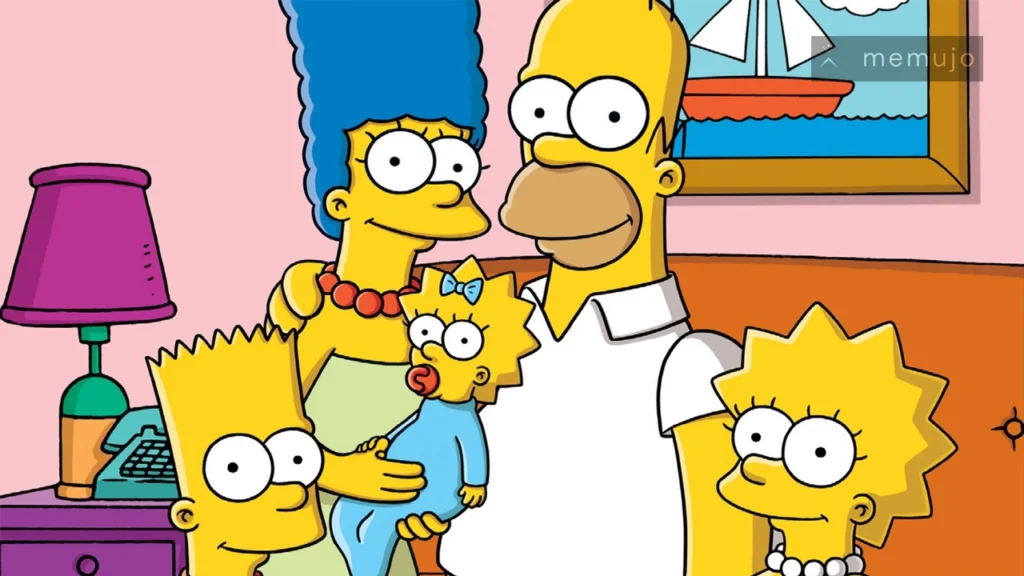
They are yellow, four-fingered, and utterly dysfunctional — and for nearly four decades, the Simpsons have been the most recognizable family on television. What began as a set of crude doodles scribbled in a Hollywood waiting room has grown into a global cultural institution unlike anything the entertainment world has ever seen.
From Doodles to a Dynasty
The story of The Simpsons starts in 1987, when cartoonist Matt Groening was summoned to meet producer James L. Brooks about pitching a series of animated shorts for The Tracey Ullman Show. With no prepared idea and running out of time, Groening sketched a dysfunctional family on the spot, naming the characters after members of his own family — Homer, Marge, Lisa, and Maggie — while substituting “Bart” (an anagram of “brat”) for his own name. He chose the surname Simpson because it sounded amusingly close to “simpleton.”
Those 60-second bumpers debuted on April 19, 1987, drawn in a deliberately crude style — not entirely by design. Groening had submitted rough sketches assuming animators would clean them up, but they simply traced over his originals, accidentally cementing the show’s now-iconic look. After three seasons on The Tracey Ullman Show, the sketches were developed into a half-hour primetime series. The Simpsons premiered as a full show on December 17, 1989, on Fox — and immediately changed television forever.

Springfield, USA
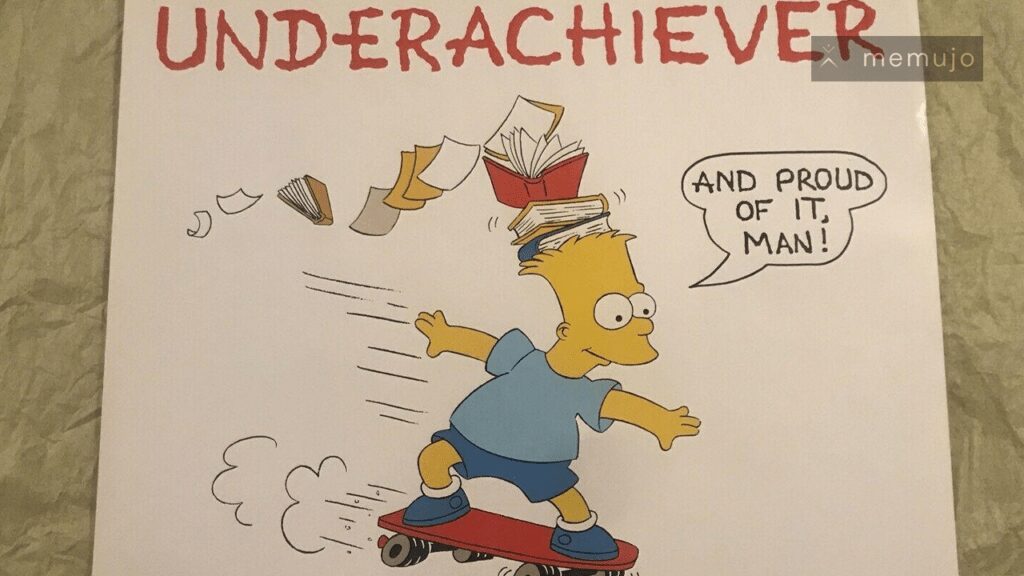
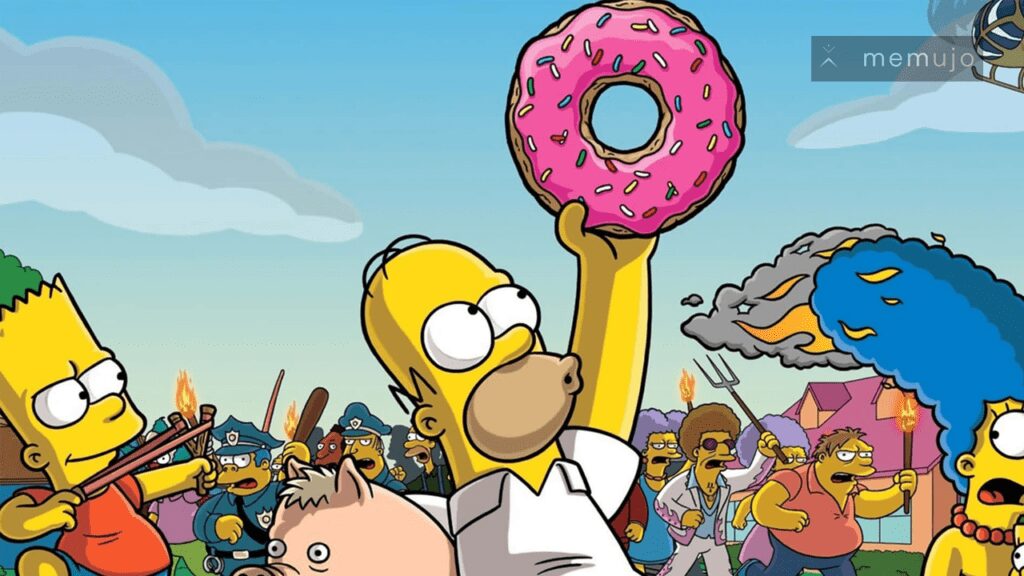
At the heart of the show is the fictional town of Springfield, a deliberately vague “Middle America” setting that could be almost anywhere in the United States. The Simpson family lives at 742 Evergreen Terrace: Homer, a bumbling safety inspector at the Springfield Nuclear Power Plant; Marge, the patient and blue-haired matriarch who holds the family together; Bart, the rebellious underachiever; Lisa, the precocious saxophone-playing intellectual; and baby Maggie, who communicates almost entirely through the squeak of her pacifier.
What makes this family so enduring is precisely their imperfection. As producer James L. Brooks once said, the Simpsons represent “the normal American family in all its beauty and horror.” Homer’s laziness, Bart’s mischief, and Lisa’s alienation are all deeply human traits that audiences around the world recognize — not in spite of their flaws, but because of them.
A Cultural Revolution
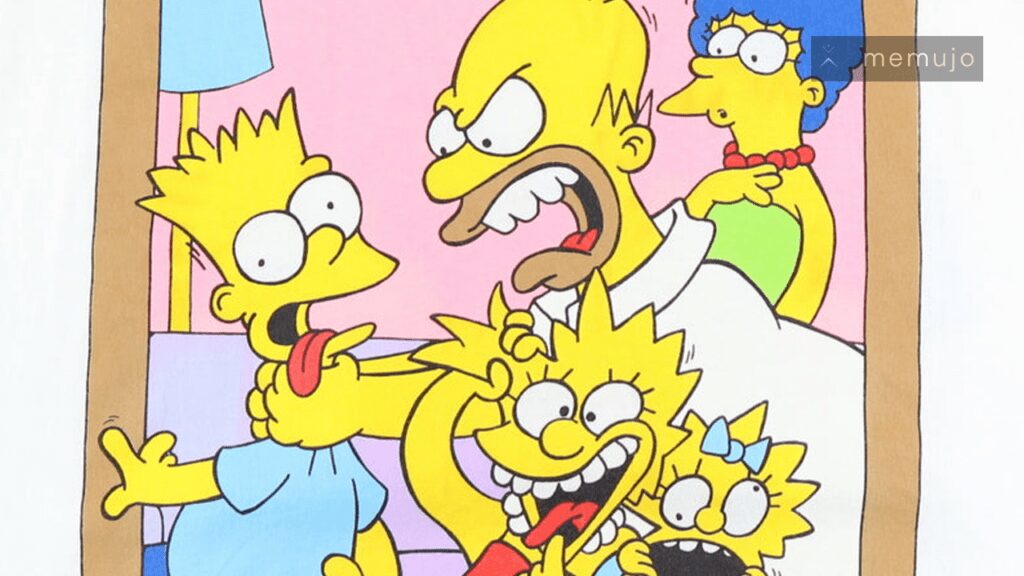
When The Simpsons exploded into mainstream culture in the early 1990s, its impact was immediate and controversial. Bart Simpson T-shirts were banned in several American schools for their perceived anti-authority message, and the show was labeled a menace to American values. Groening later admitted he relished every moment of the backlash: “It was a brilliant moment when the culture decided that ‘The Simpsons’ was too outrageous.”
But the show was always more than just subversive comedy. It used the colorful, cartoon world of Springfield to deliver sharp satire on everything from corporate greed and corrupt politicians to gun culture and LGBTQ+ issues — often years before mainstream television dared to touch those topics. Episodes like Homer’s Phobia tackled homophobia with surprising nuance, while The Cartridge Family satirized America’s relationship with guns.
The show also reshaped the English language itself. “D’oh!” — Homer’s signature grunt of exasperation — was added to the Oxford English Dictionary. The word “meh,” now ubiquitous in internet culture, was popularized by the show. Even “cromulent” (meaning acceptable or adequate) entered everyday usage from a single throwaway joke in a 1996 episode.
Records, Awards, and 800 Episodes
The numbers alone are staggering. The Simpsons holds the record as the longest-running animated TV show, the longest-running sitcom, and the longest-running scripted prime-time series in U.S. history. In February 2026, the show celebrated its landmark 800th episode across 37 seasons — a milestone almost no television series has ever reached.
The show has won 31 Primetime Emmy Awards, earned a star on the Hollywood Walk of Fame, and was named the best television series of the 20th century by Time magazine in 1999. The Simpsons Movie, released in 2007, grossed over $500 million at the global box office. The show has been translated into more than 25 languages and airs in virtually every corner of the world.

The Secret to Longevity
How does a show stay relevant for nearly 40 years? According to current showrunner Matt Selman, the key is a kind of deliberate creative amnesia. The show doesn’t maintain a strict story bible — characters reset between episodes, deaths are reversed, and major life changes rarely stick. “It’s akin to ‘Groundhog Day,'” Selman has said, explaining that this elastic continuity allows writers to tell any story they want without being constrained by decades of canon.
Only a handful of things are treated as permanent: Lisa’s vegetarianism, Patty Bouvier’s sexuality, and the death of Maude Flanders. Everything else is fair game — and that creative freedom has kept the writers’ room fresh across generations of talent.
A Mirror Held Up to America
Perhaps the most remarkable thing about The Simpsons is how it opened doors for everything that came after it. Before Springfield, prime-time animation was considered a dead genre. The show proved that cartoons could be edgy, intelligent, and commercially dominant at the same time — paving the way for Beavis & Butt-Head, South Park, Family Guy, Futurama, and dozens of others. Its influence on comedy extends far beyond animation, shaping the self-aware, hyper-referential humor found in shows like The Office and The Daily Show.
More than a TV show, The Simpsons has functioned as a living document of American life — absorbing and reflecting every cultural shift, political upheaval, and social debate of the past four decades. It has made us laugh, made us think, and occasionally made us uncomfortable in the best possible way.
As long as Homer keeps stumbling, Bart keeps scheming, and Lisa keeps hoping for a better world, Springfield will remain the most honest small town in America — even if it only exists in yellow and four fingers.